How Wildflower Meadows Influence British Flower Farming
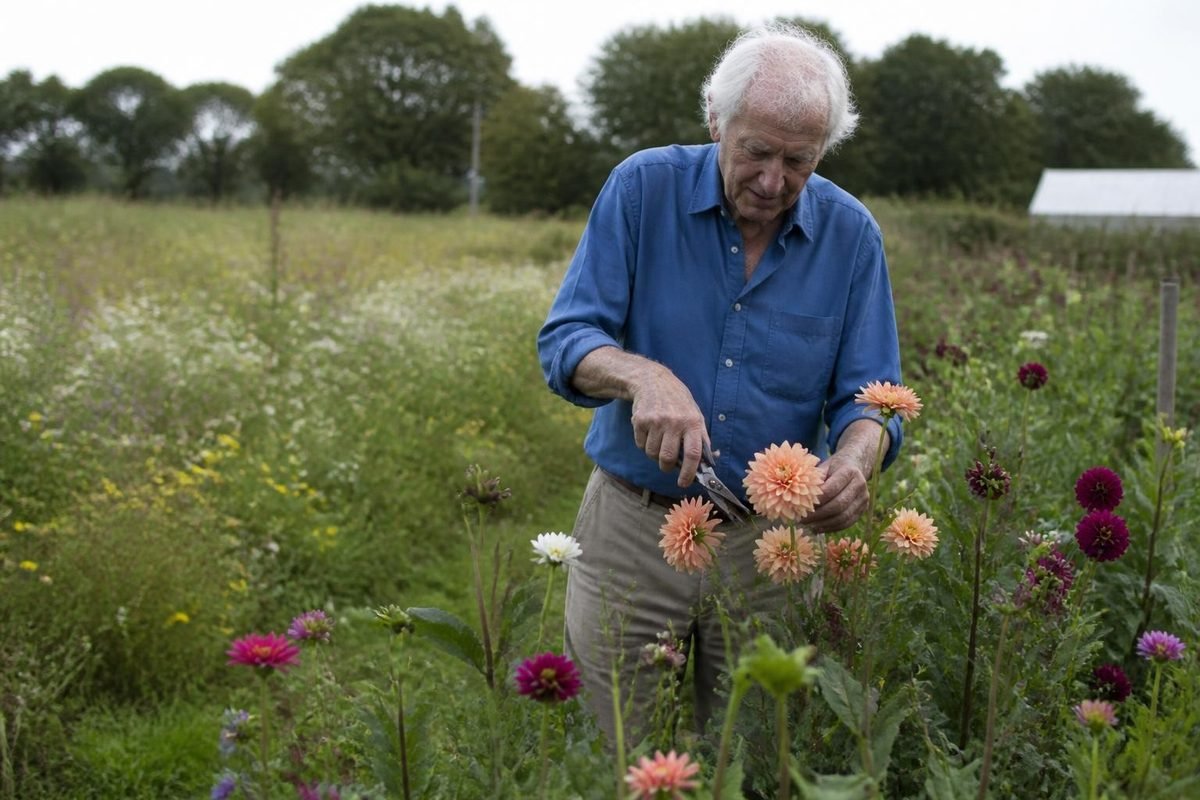
Wildflower meadows are influencing British cut flower farming by encouraging growers to make room for pollinators and by shaping an interest in loose, seasonal flowers. The connection is not always a direct one: a meadow is a habitat, while a cut flower crop is grown to be harvested.
Making space for more than flowers
A wildflower meadow contains grasses and flowering plants that can provide food and shelter for insects and other wildlife. On a flower farm, a patch of meadow or a flowering field margin can sit alongside productive beds, offering a different kind of value from stems sold in bunches.
Flowers with accessible pollen and nectar can support bees, hoverflies and other insects. These visitors are part of a wider farm ecosystem, although their presence alone does not guarantee that crop pests will be controlled. A meadow also changes through the season, with different plants flowering at different times.
Looking after that habitat calls for a different rhythm from tending a crop. Many traditional meadows are cut after flowering and seed set, with the cut material removed. The right timing depends on the site and its plants. Cutting everything at once can leave little shelter or food, so some areas may be left standing.
From meadow character to cut stems
The look of a meadow can also be felt in cut flower choices and arrangements. Grasses, small flowers and branching stems can give a bunch movement and space. A farmer might grow flowers with a similar light character in cultivated beds, rather than pick them from a meadow managed for wildlife.
That distinction matters. Repeated picking can reduce the flowers available to insects and the seeds available to plants and wildlife. Some wild plants are also protected, and permission is needed before gathering on land that belongs to someone else.
For a grower interested in bringing meadow ideas onto a farm, a practical starting point is:
- Observe the site through the seasons, noting sunny areas, damp ground and existing flowering plants.
- Choose a suitable area for habitat and seek local advice on plants and management.
- Grow cut flowers separately where regular harvesting and cultivation can take place.
- Review what flowers across the season and leave some habitat undisturbed.
The result need not look like a perfect field of flowers. A modest patch can be part of a thoughtful farm plan, while the harvested beds provide the stems people take home.
Questions about meadows and cut flowers
Are meadow flowers always suitable for cutting?
No. Some have short vase lives or delicate stems. Cultivated cut flowers are often chosen for their ability to hold up after harvest.
Does a meadow need to be large to help wildlife?
Not necessarily. Smaller flowering areas can provide useful resources, especially when they connect with other habitat nearby.
Can a meadow supply flowers all season?
Its flowering changes with the weather, soil and plants present. A cutting garden with a range of crops can offer a more dependable succession of stems.
More background: set flowers guide